• Products
  • News
  • Artists
  • Reviews
  • Support
  • Gear
  • Blog
  • My Order
  • My Account
  • SoundToys Native
  • SoundToys TDM
  • Crystallizer
  • Decapitator
  • Devil-Loc Deluxe
  • EchoBoy
  • FilterFreak
  • PanMan
  • PhaseMistress
  • PitchDoctor
  • PurePitch
  • SoundBlender
  • Speed
  • Tremolator
  • FAQ
  • Tips & Tricks
  • Tutorials
  • Preset Expanders
  • Info
  • Profile
  • Licenses
  • Log Out
 

Gear Closet
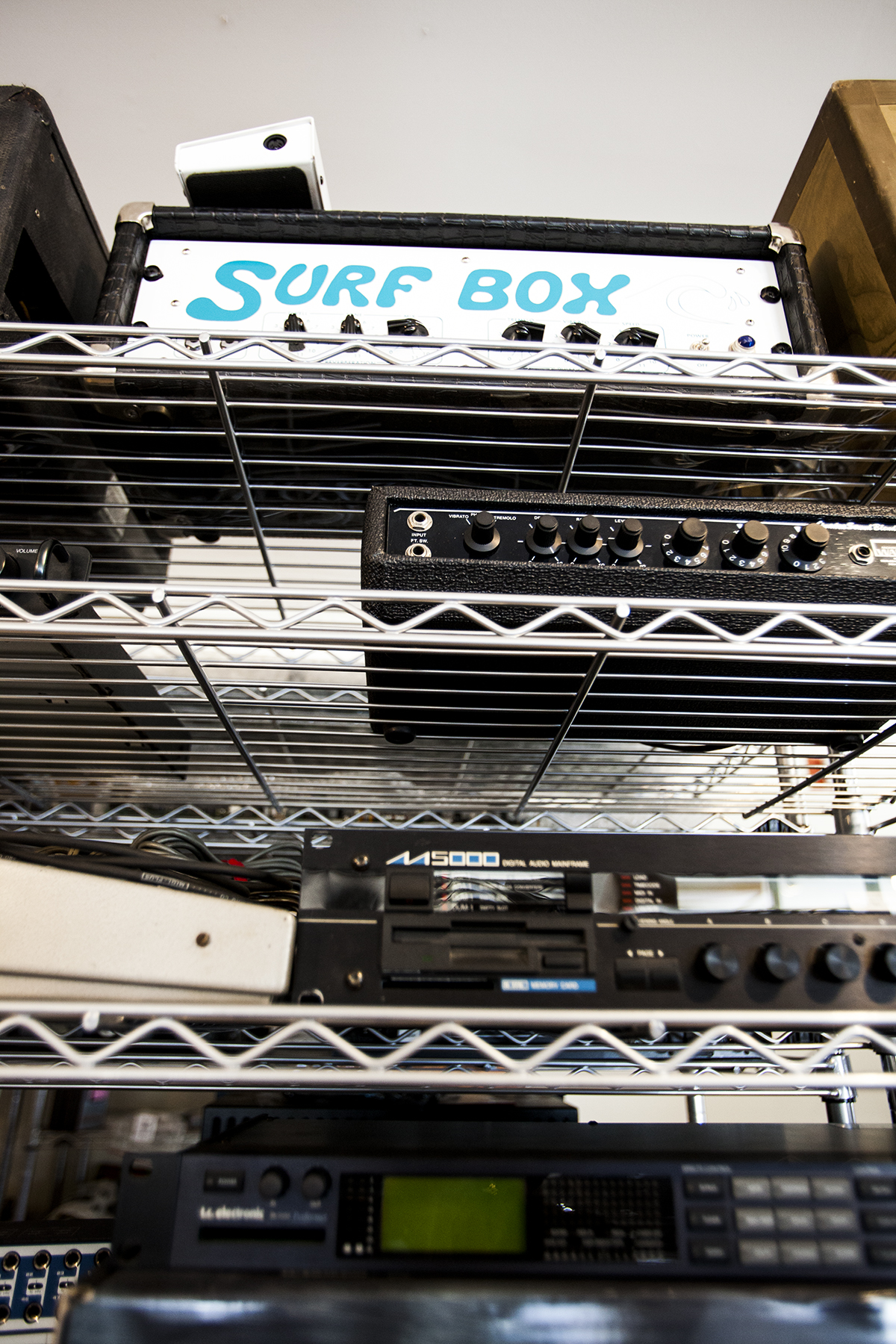
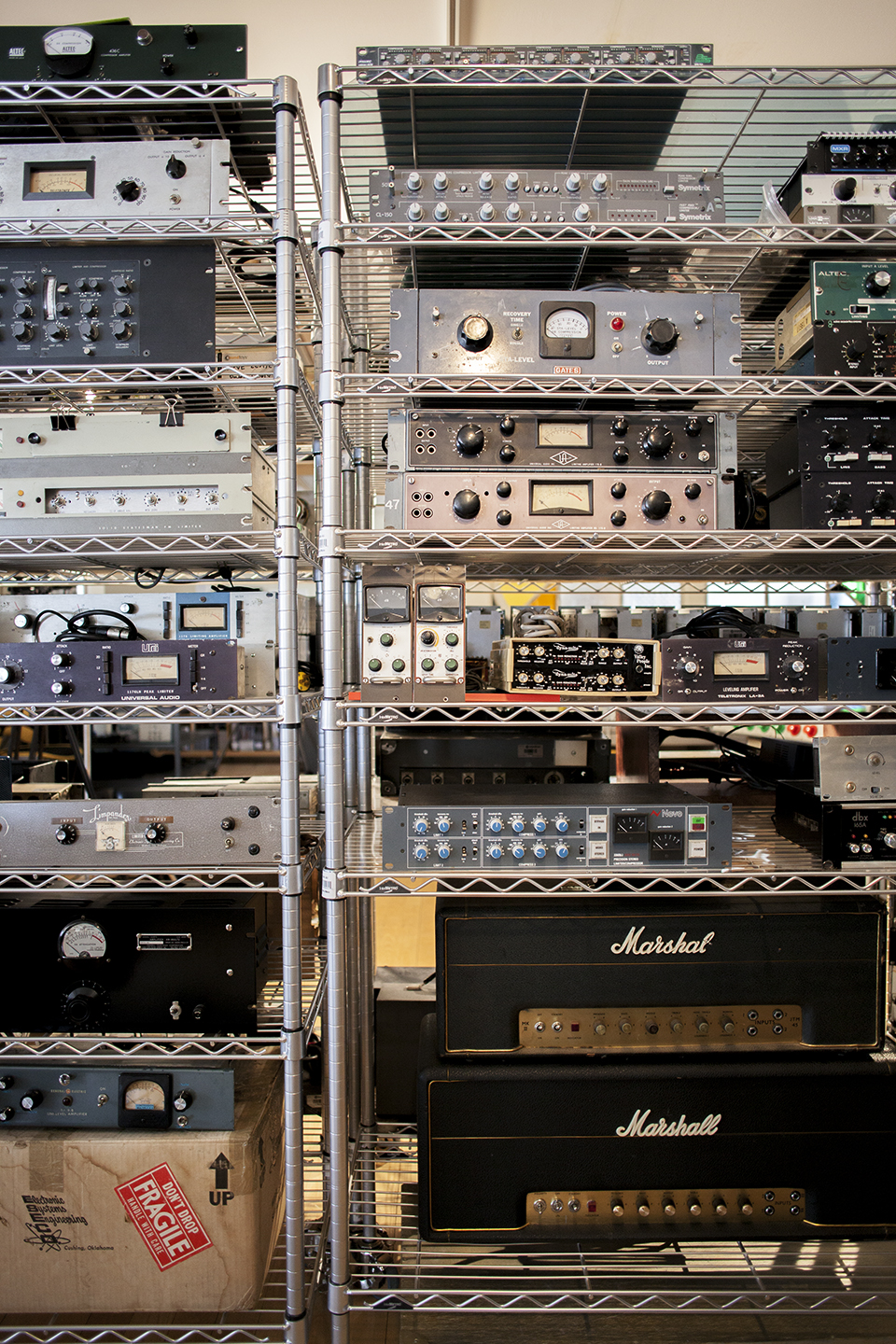
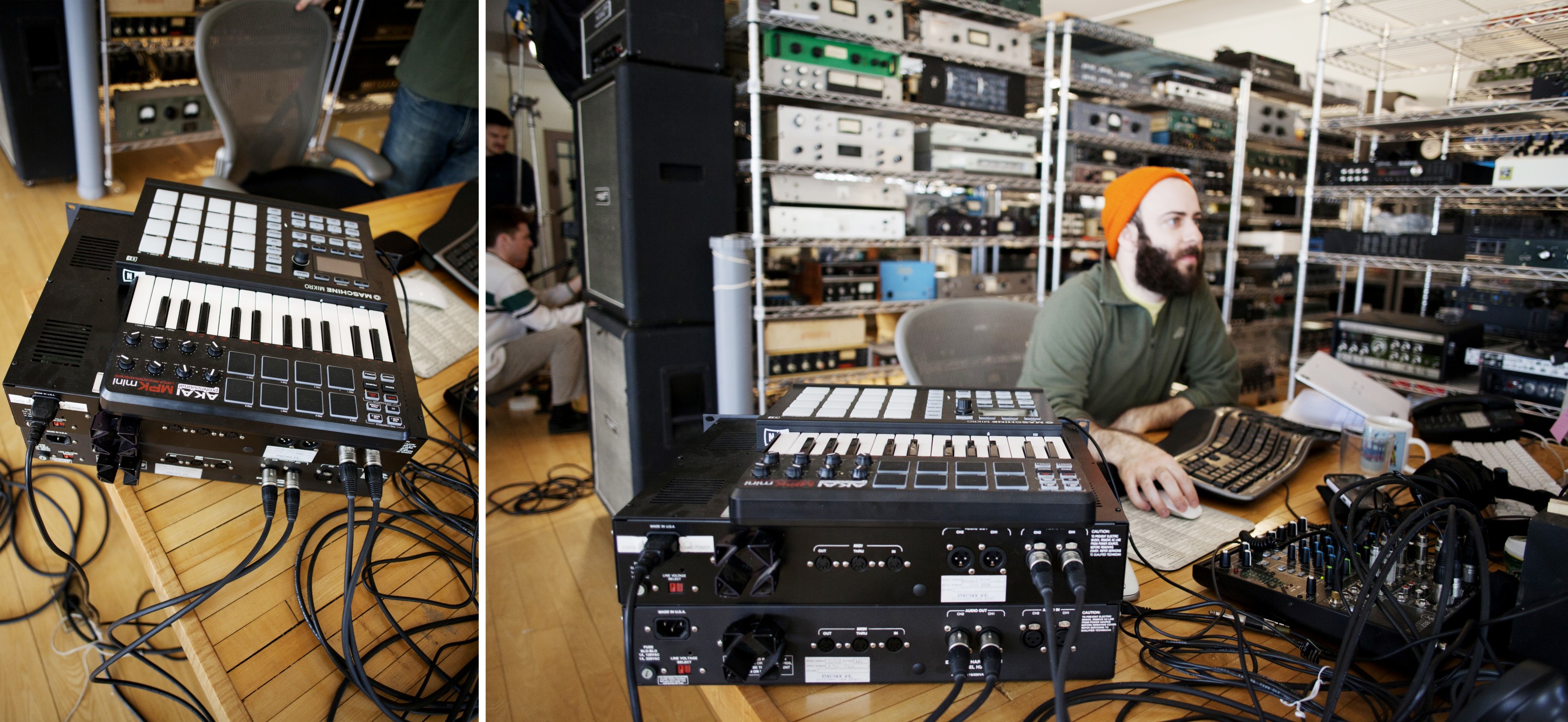
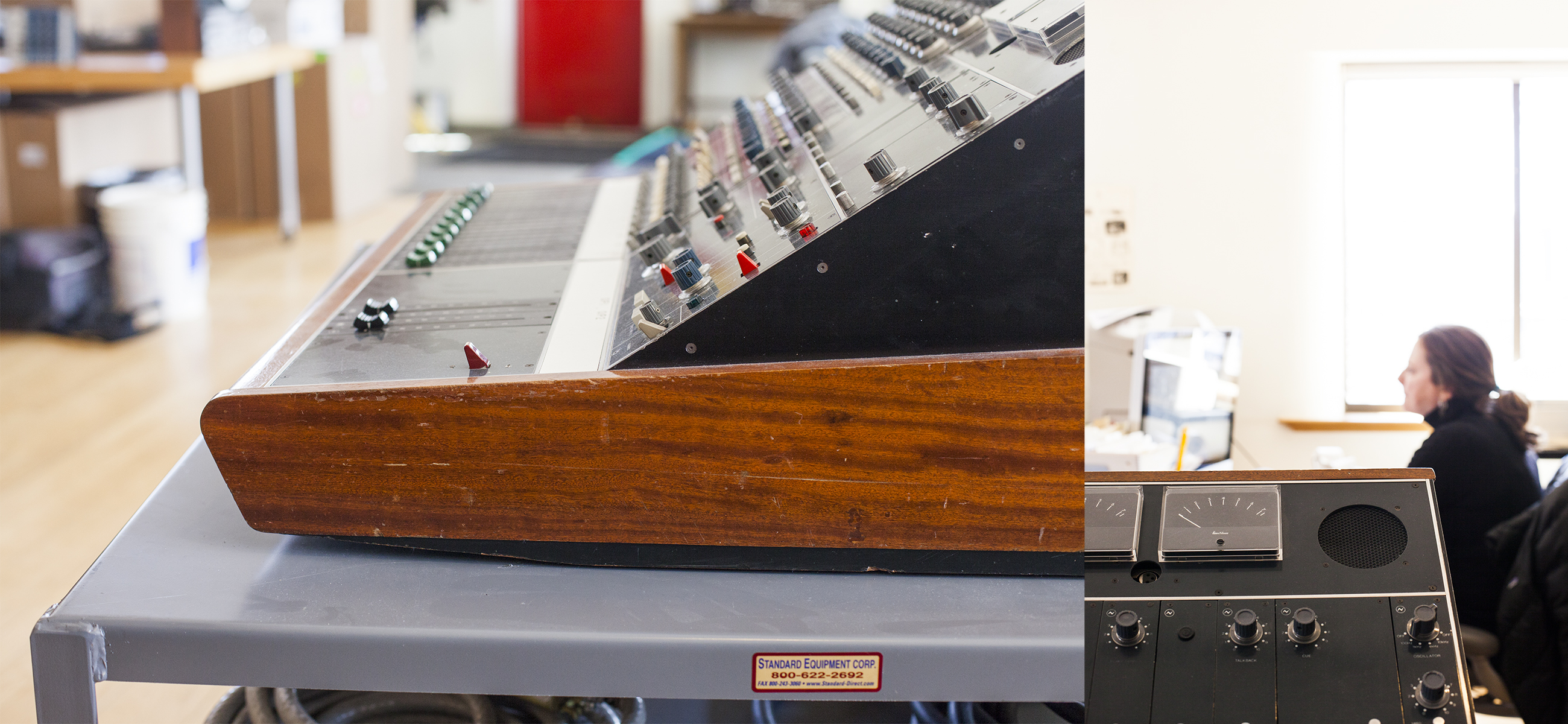
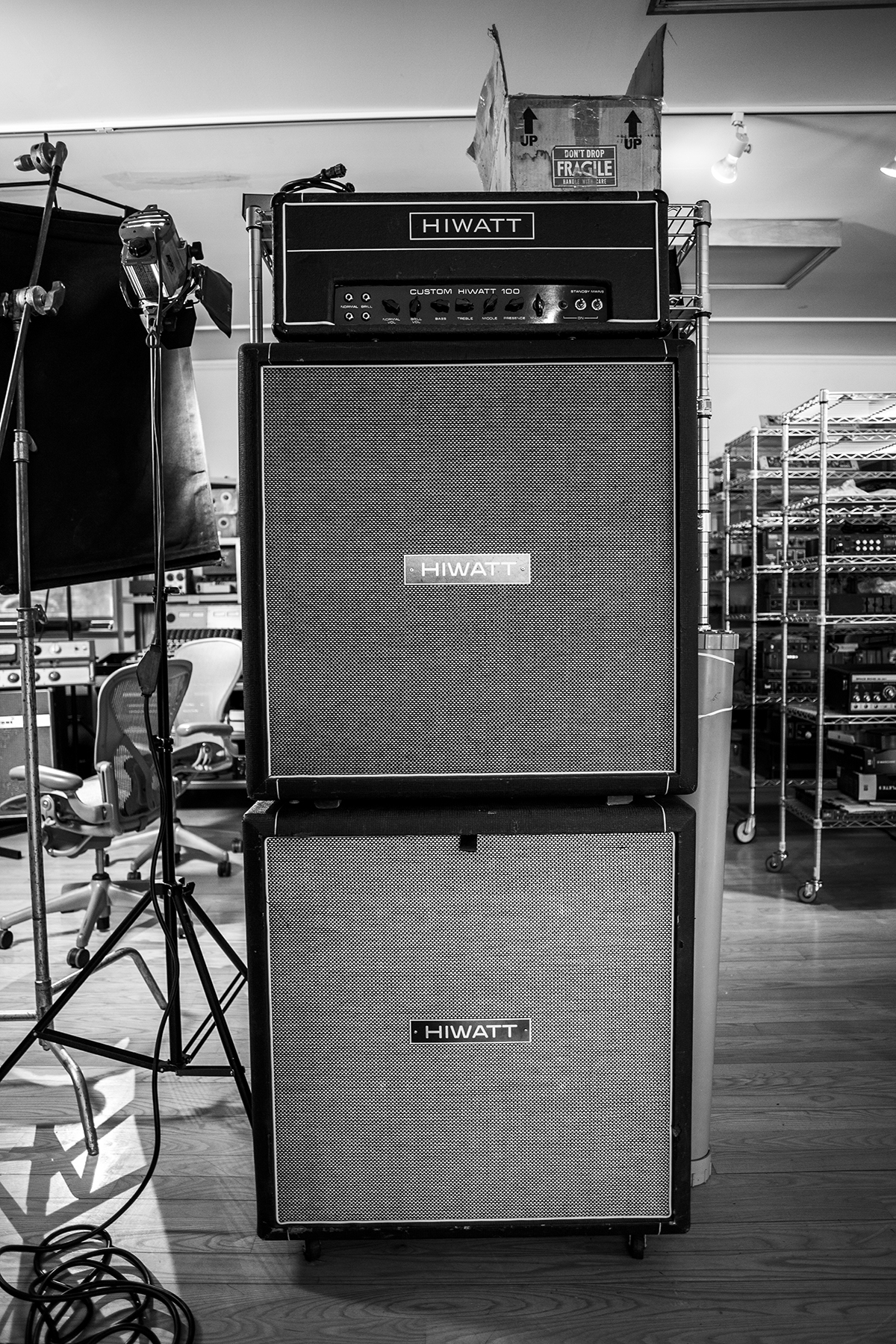
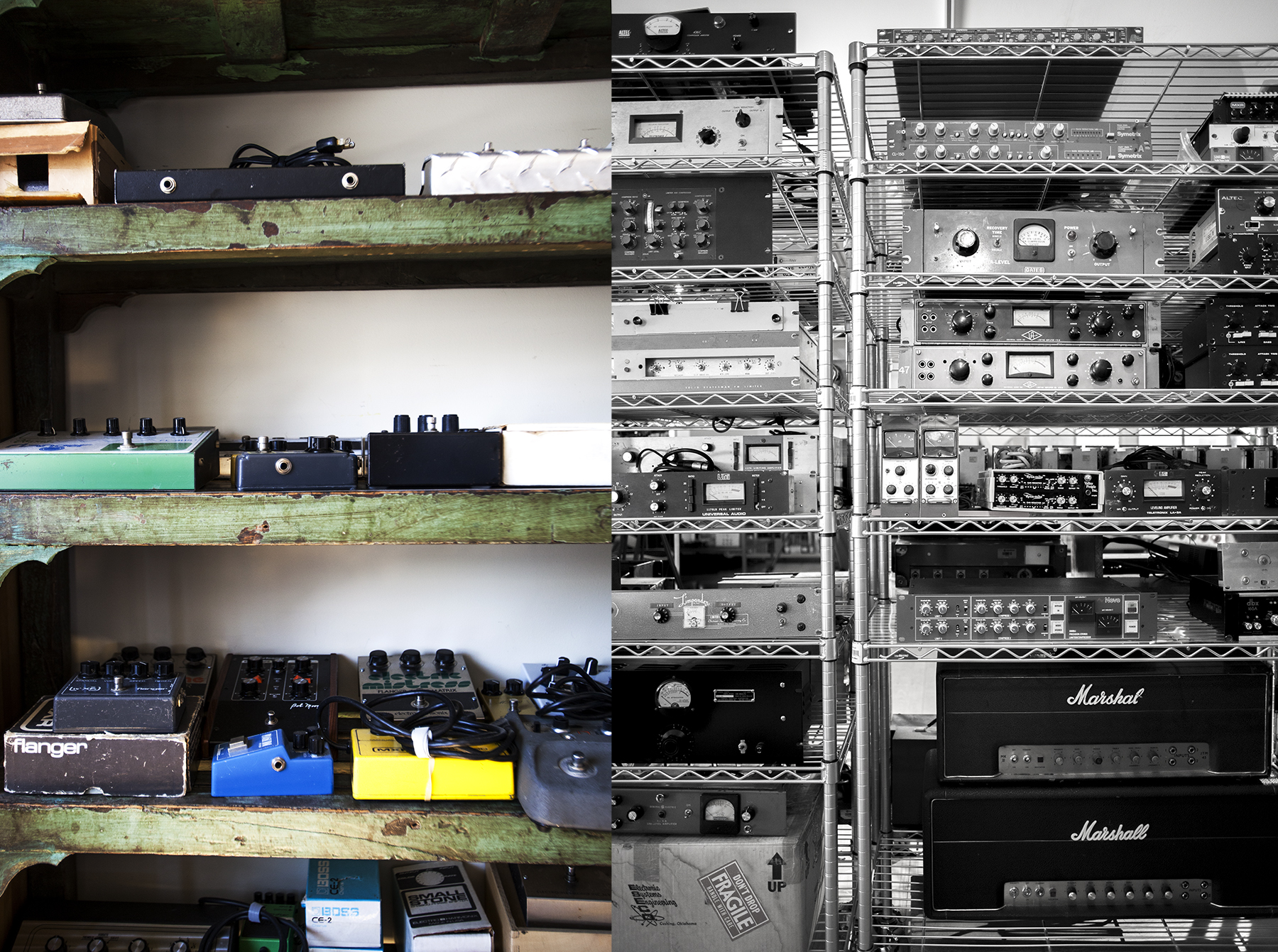
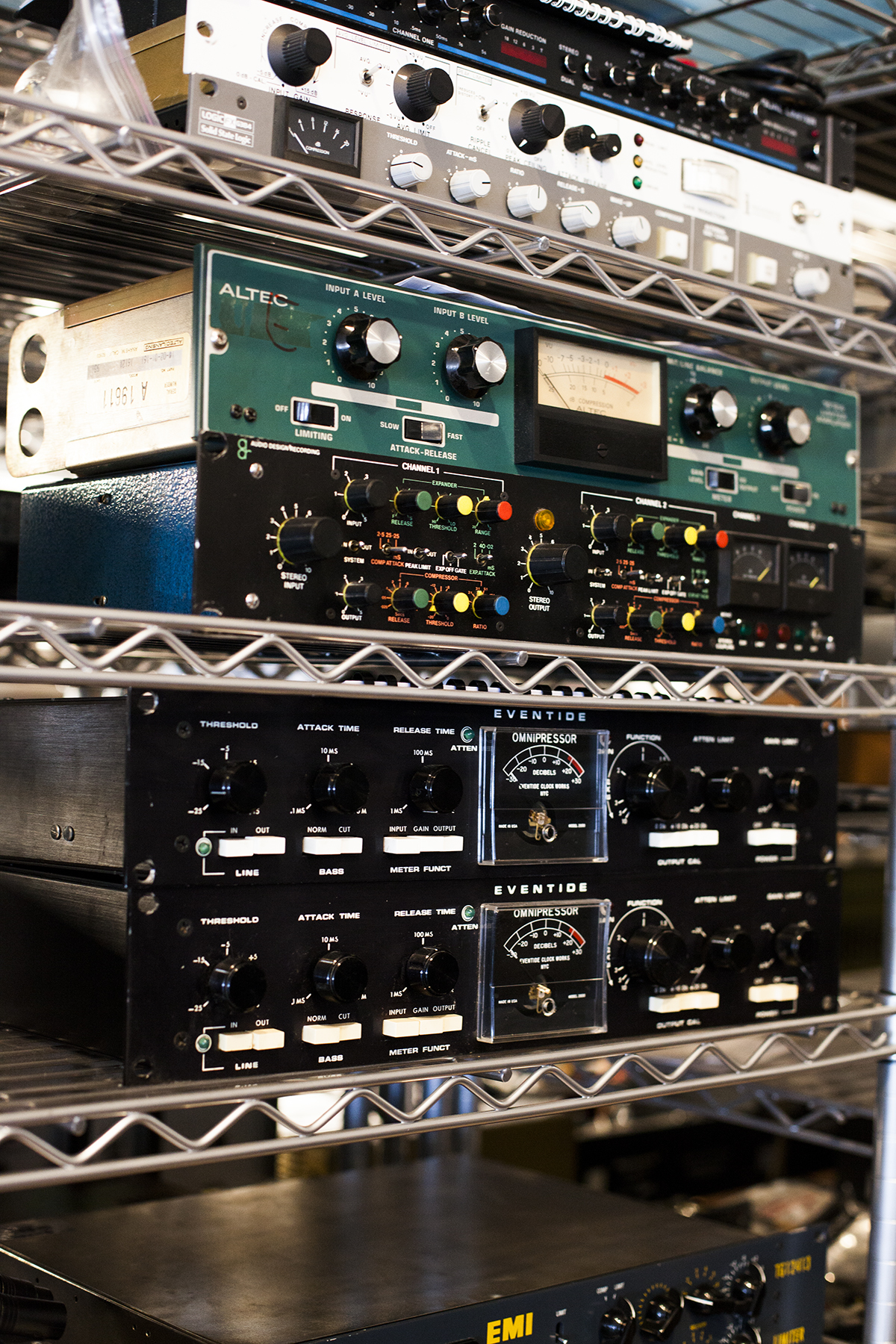
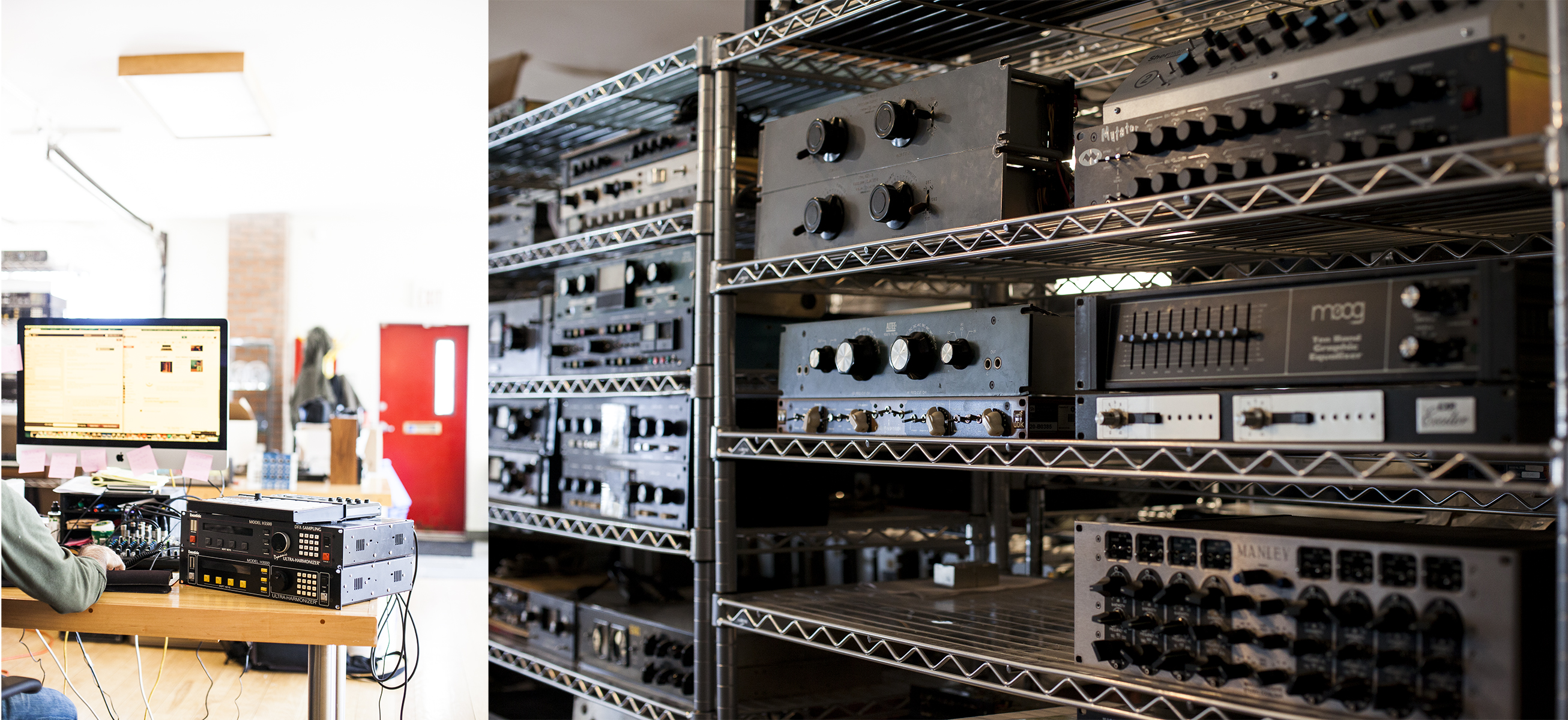
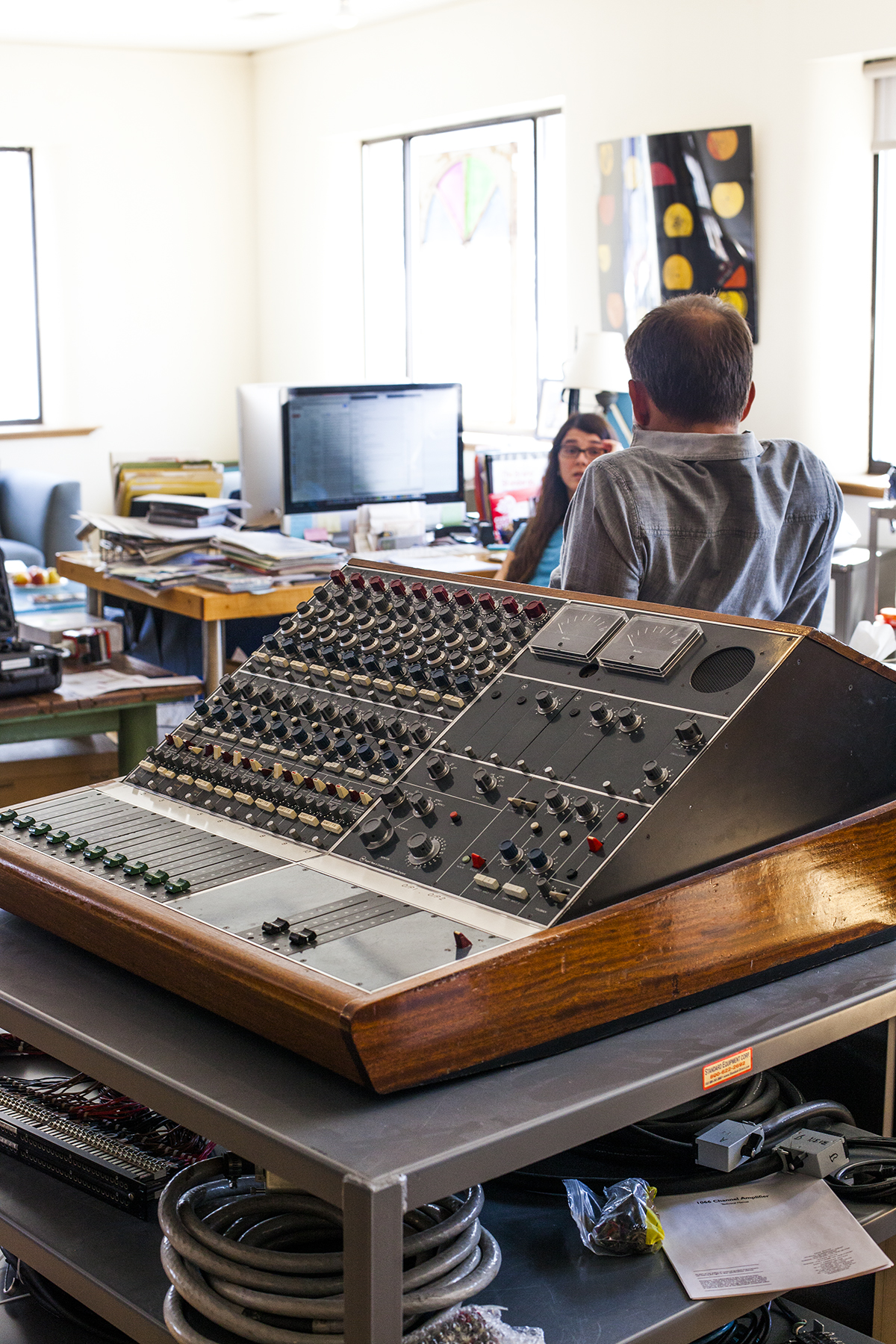
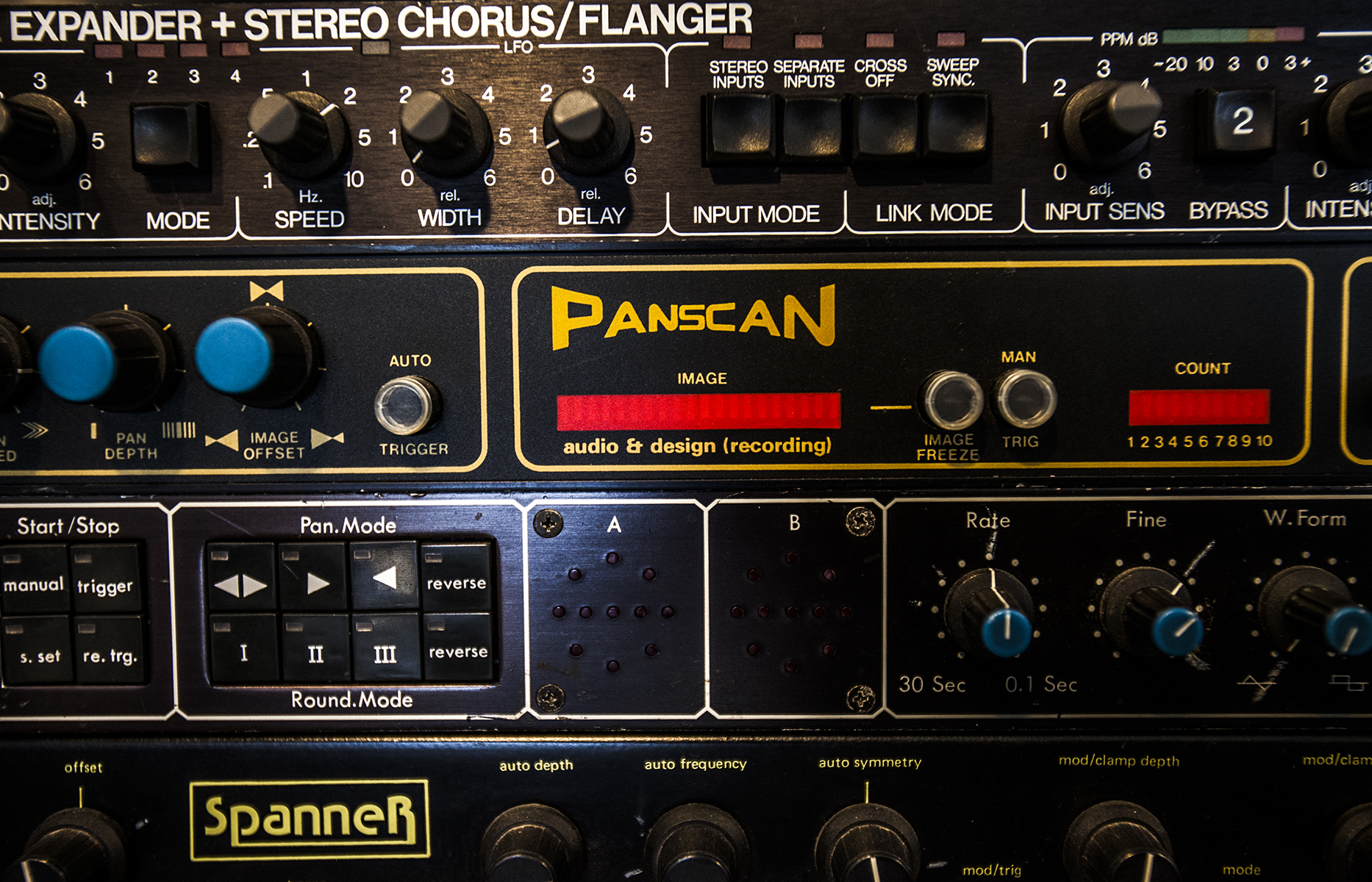
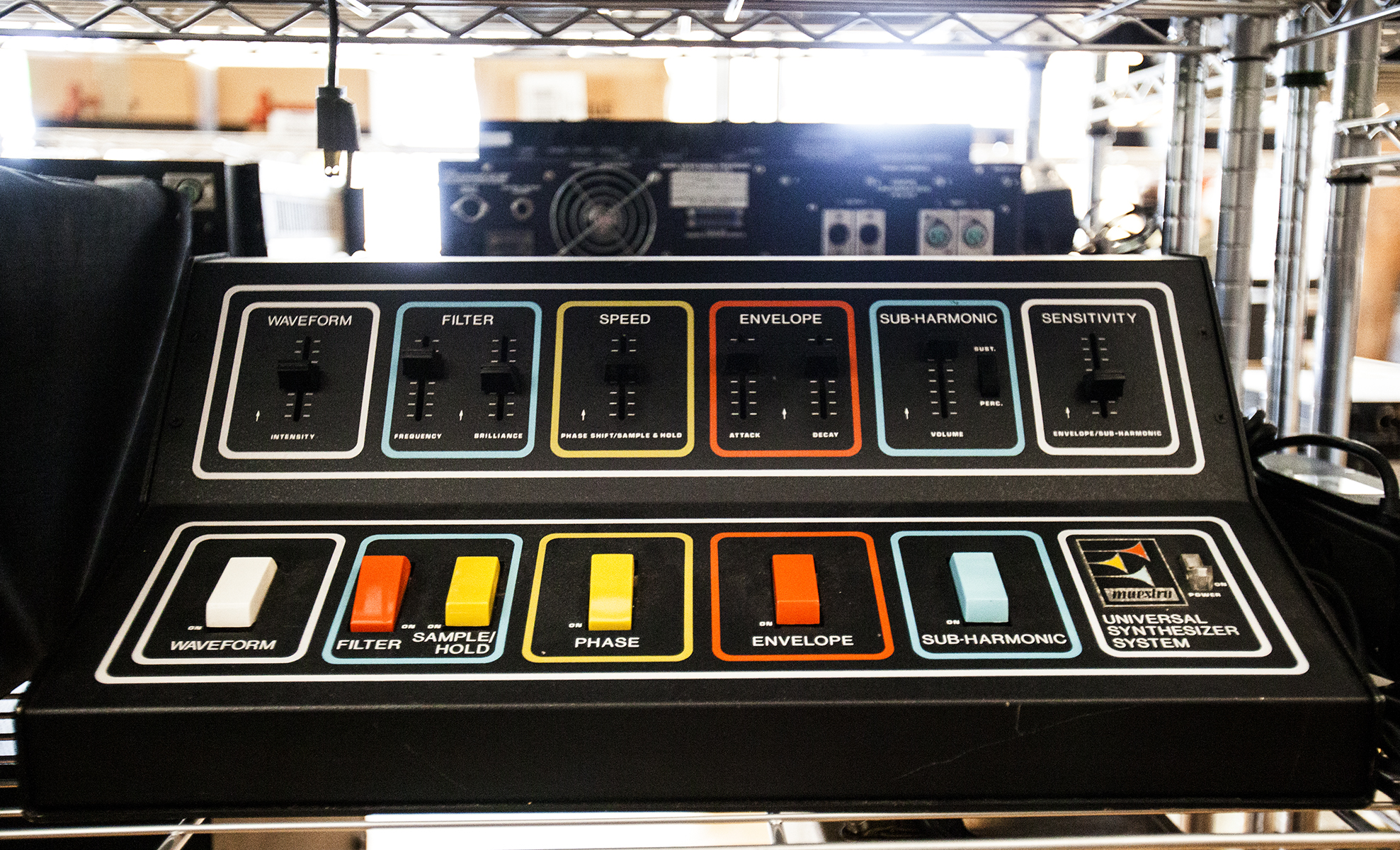
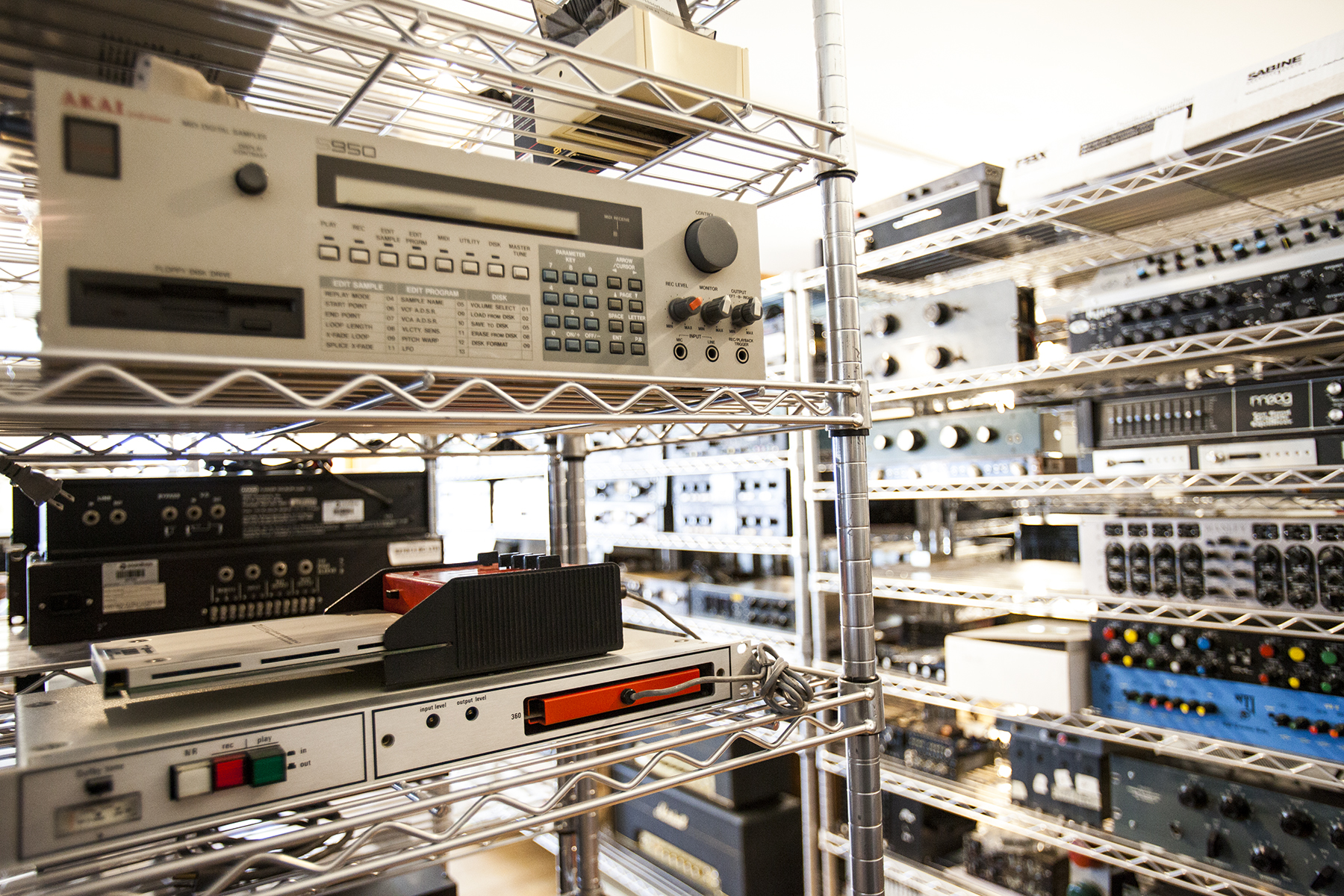
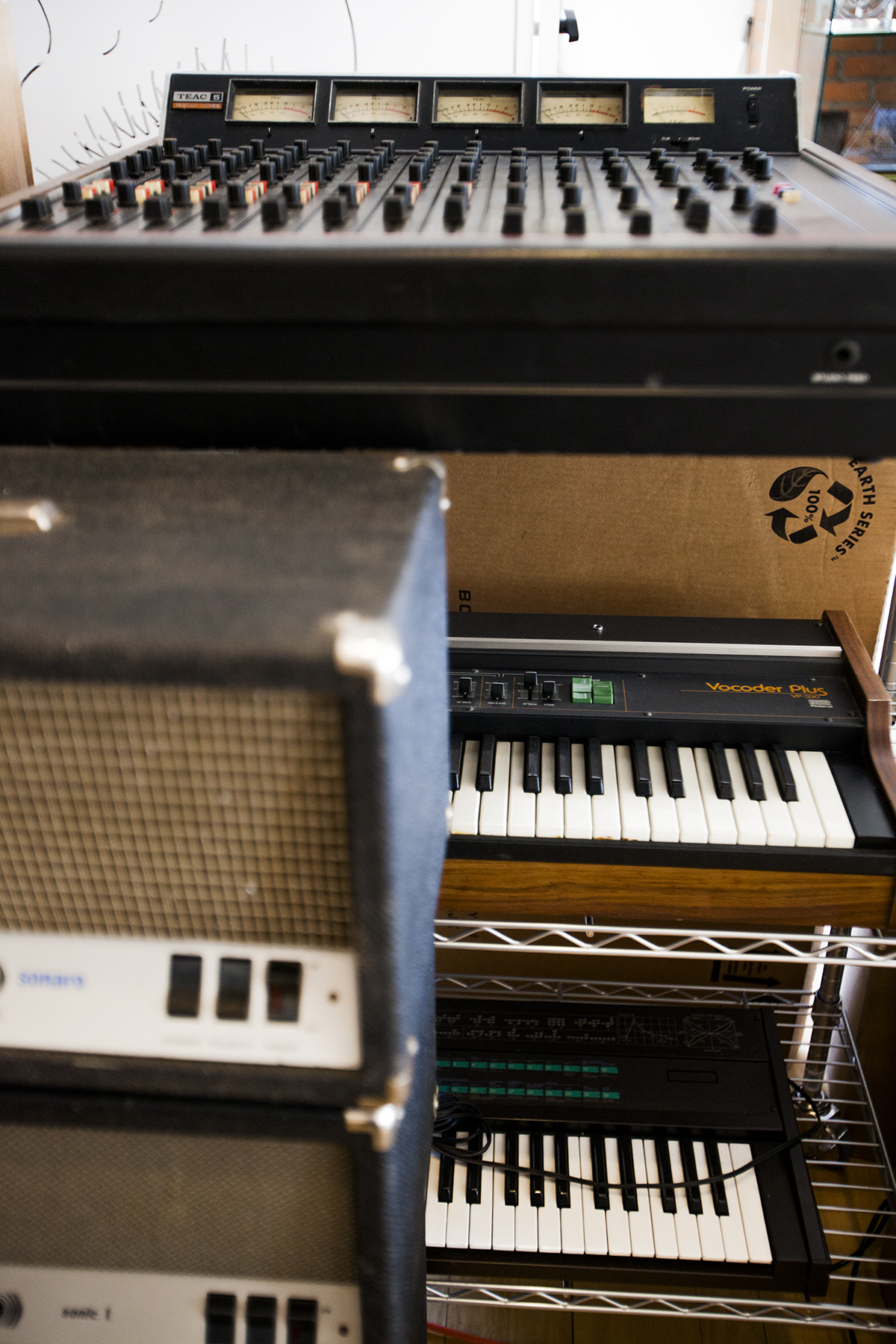
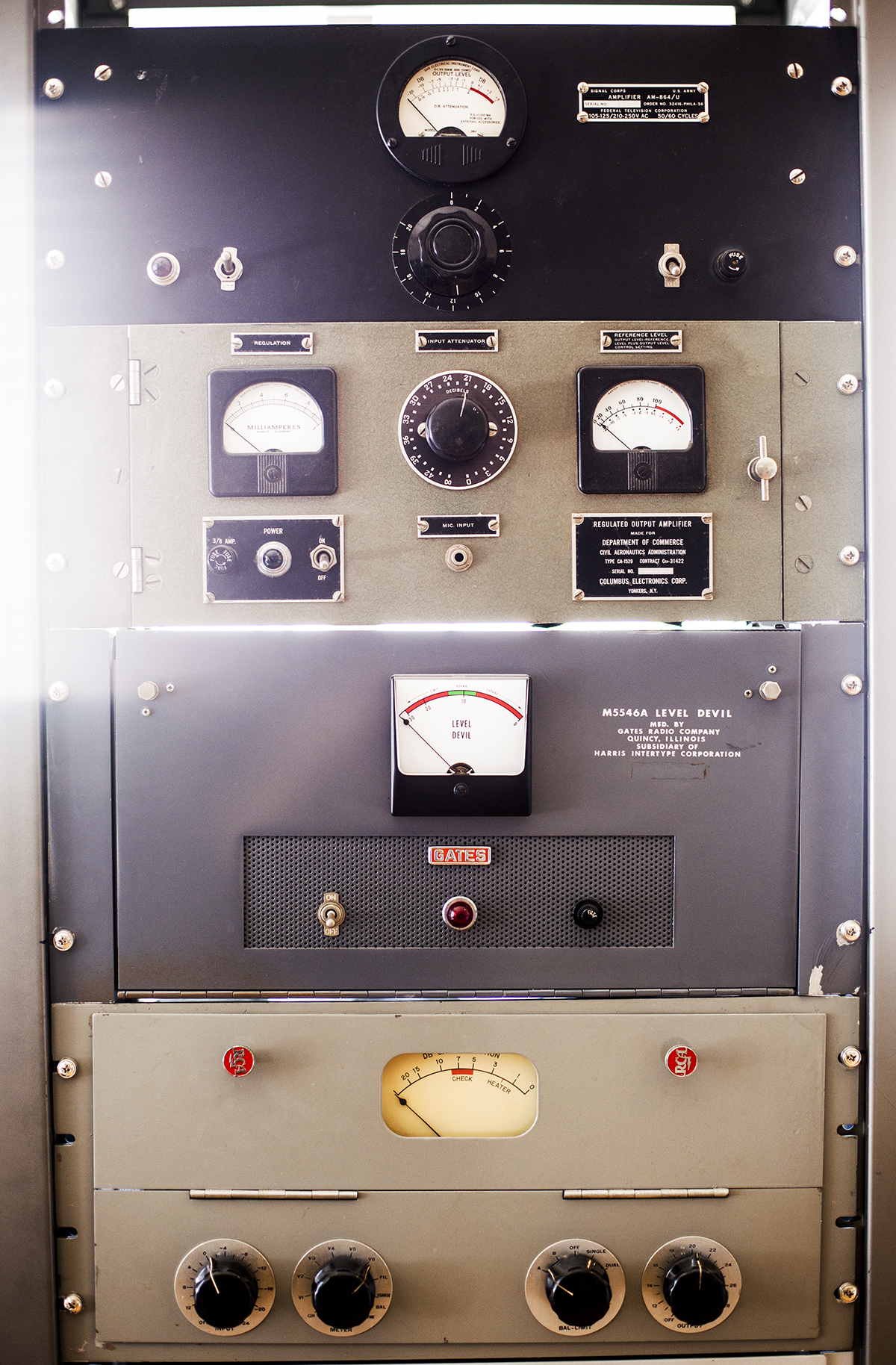
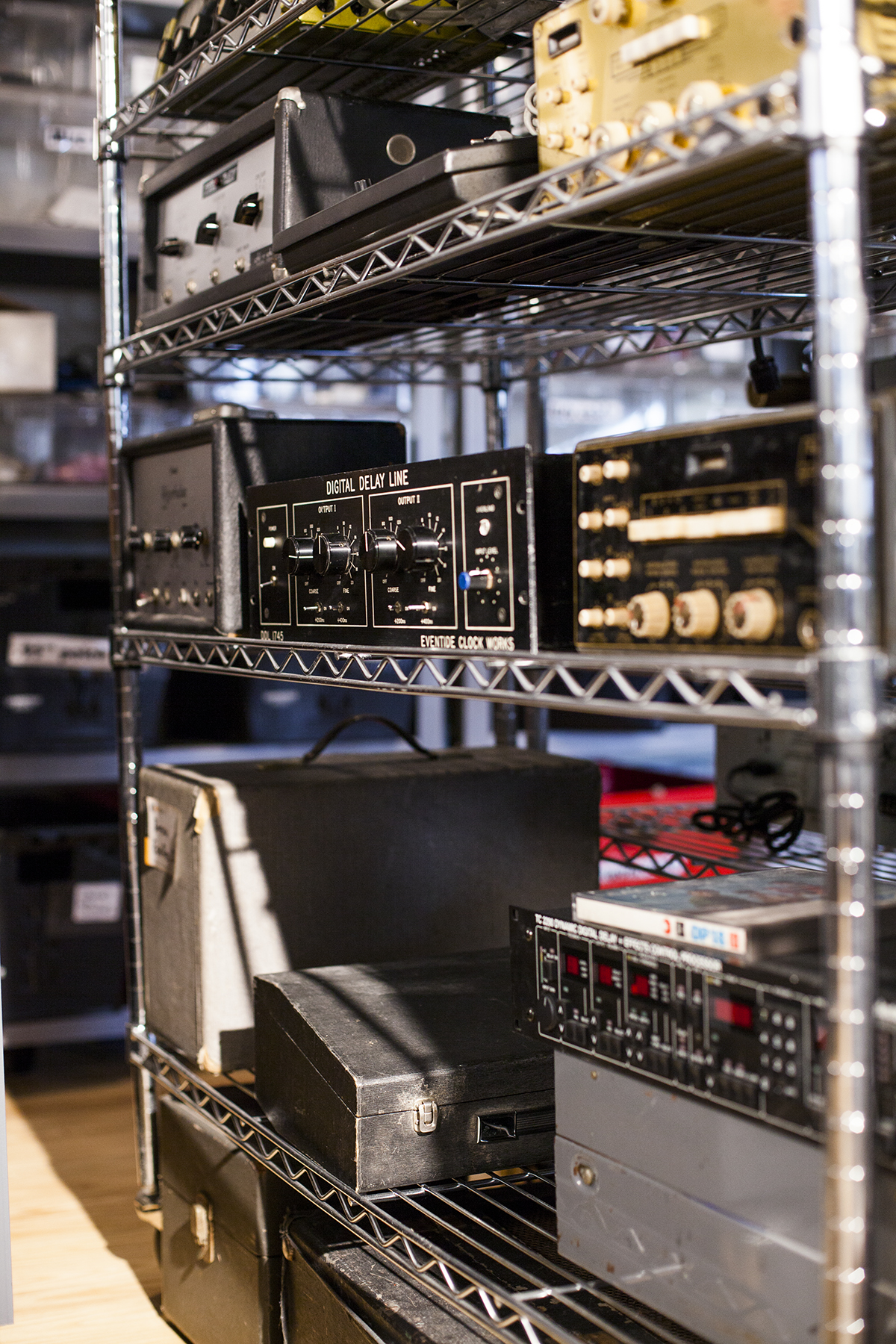
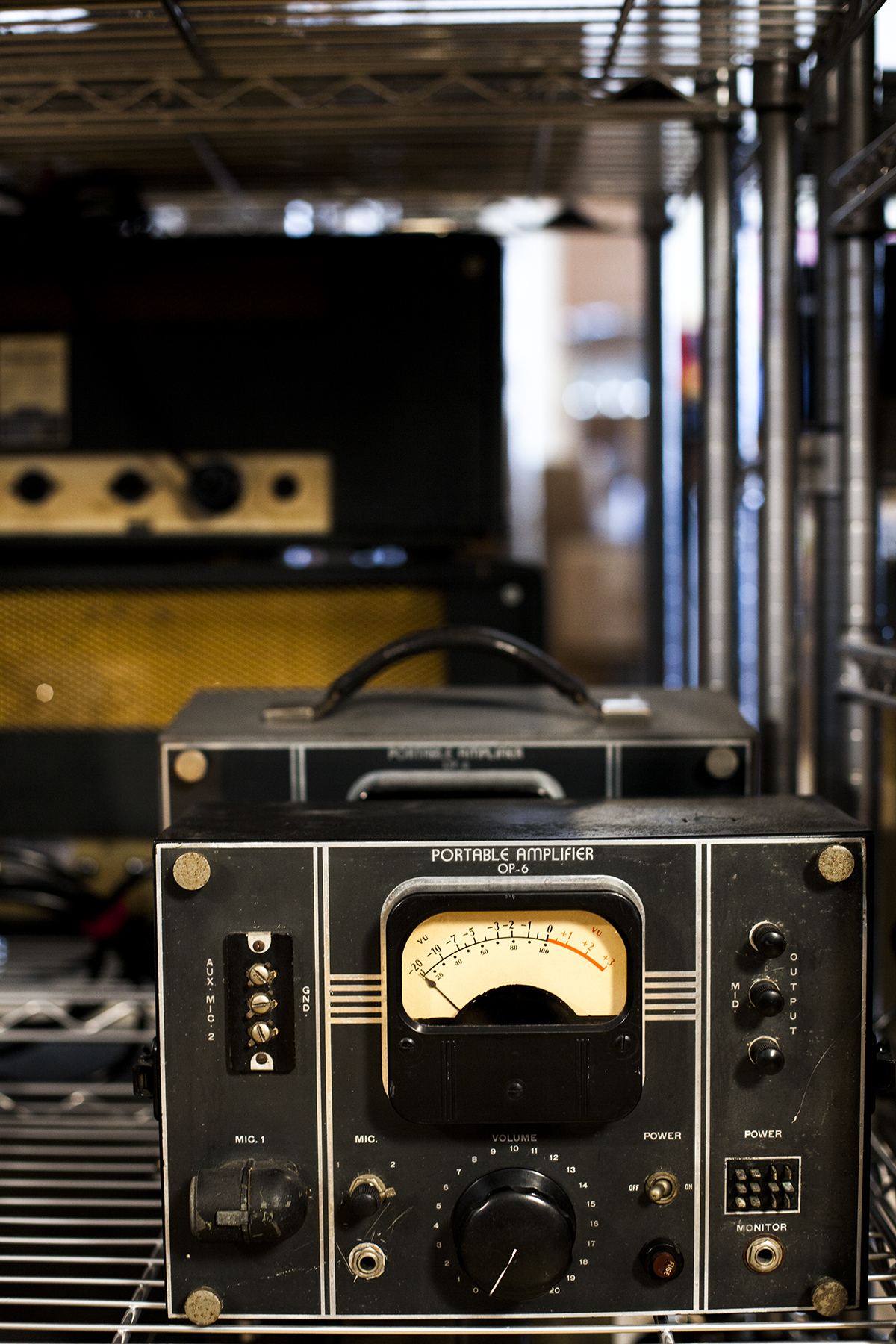
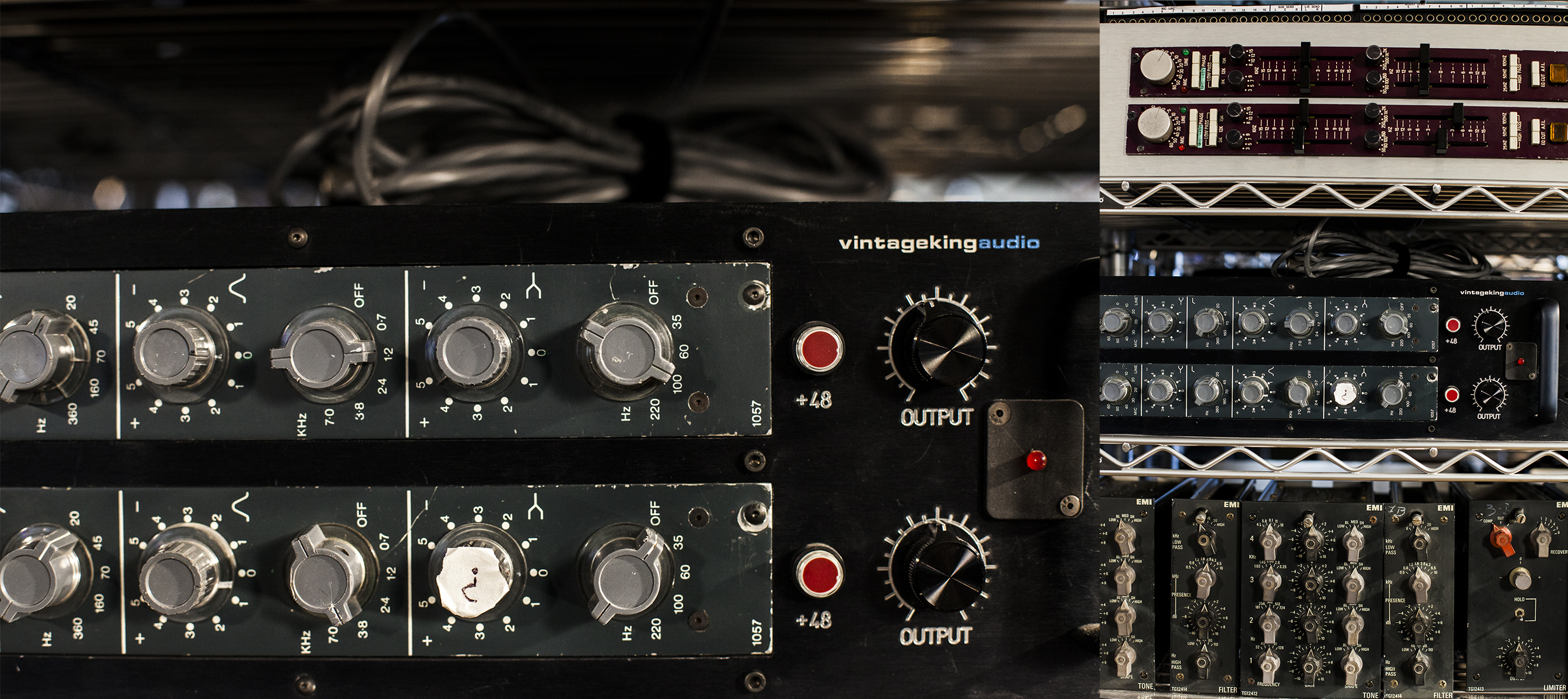
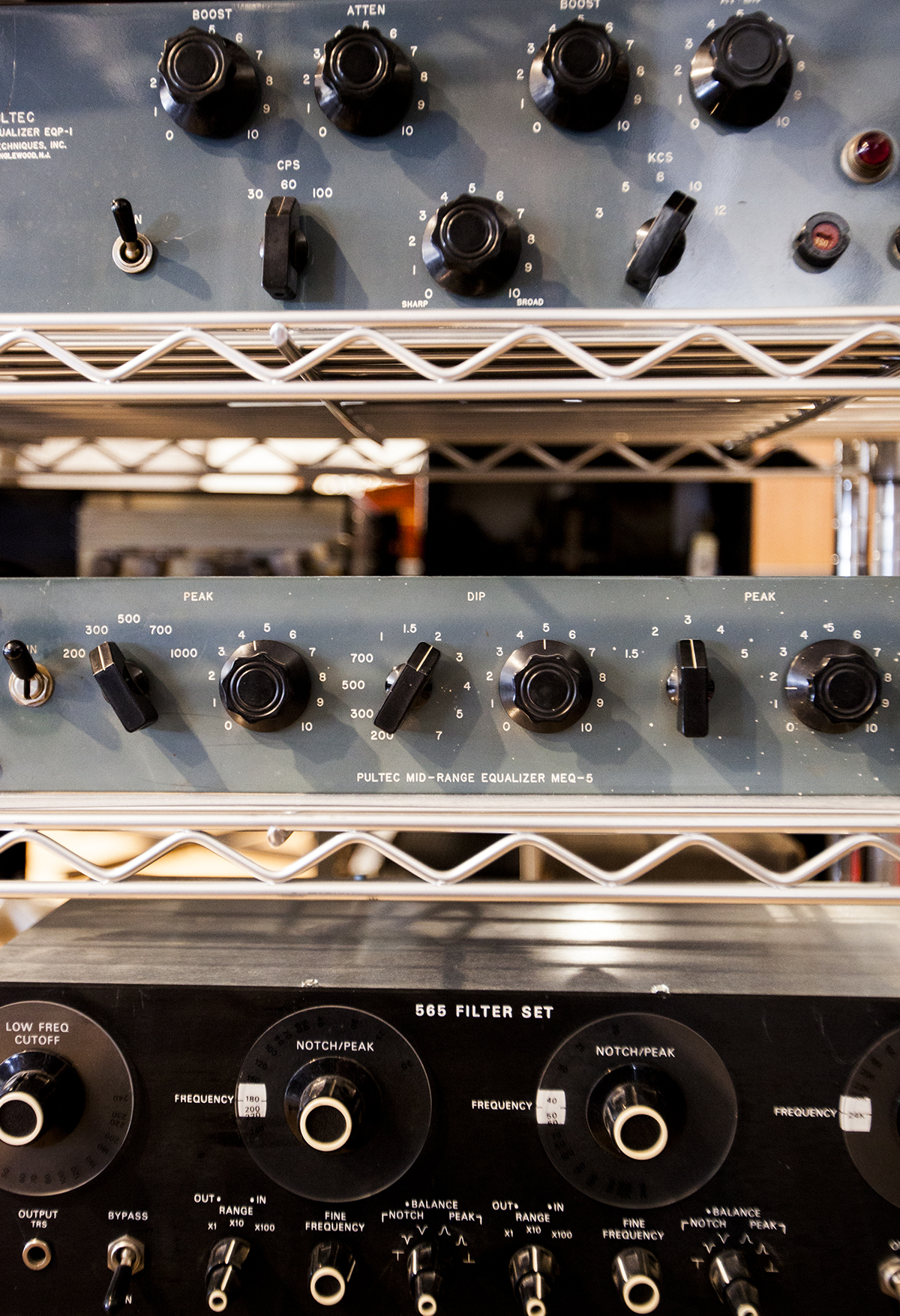
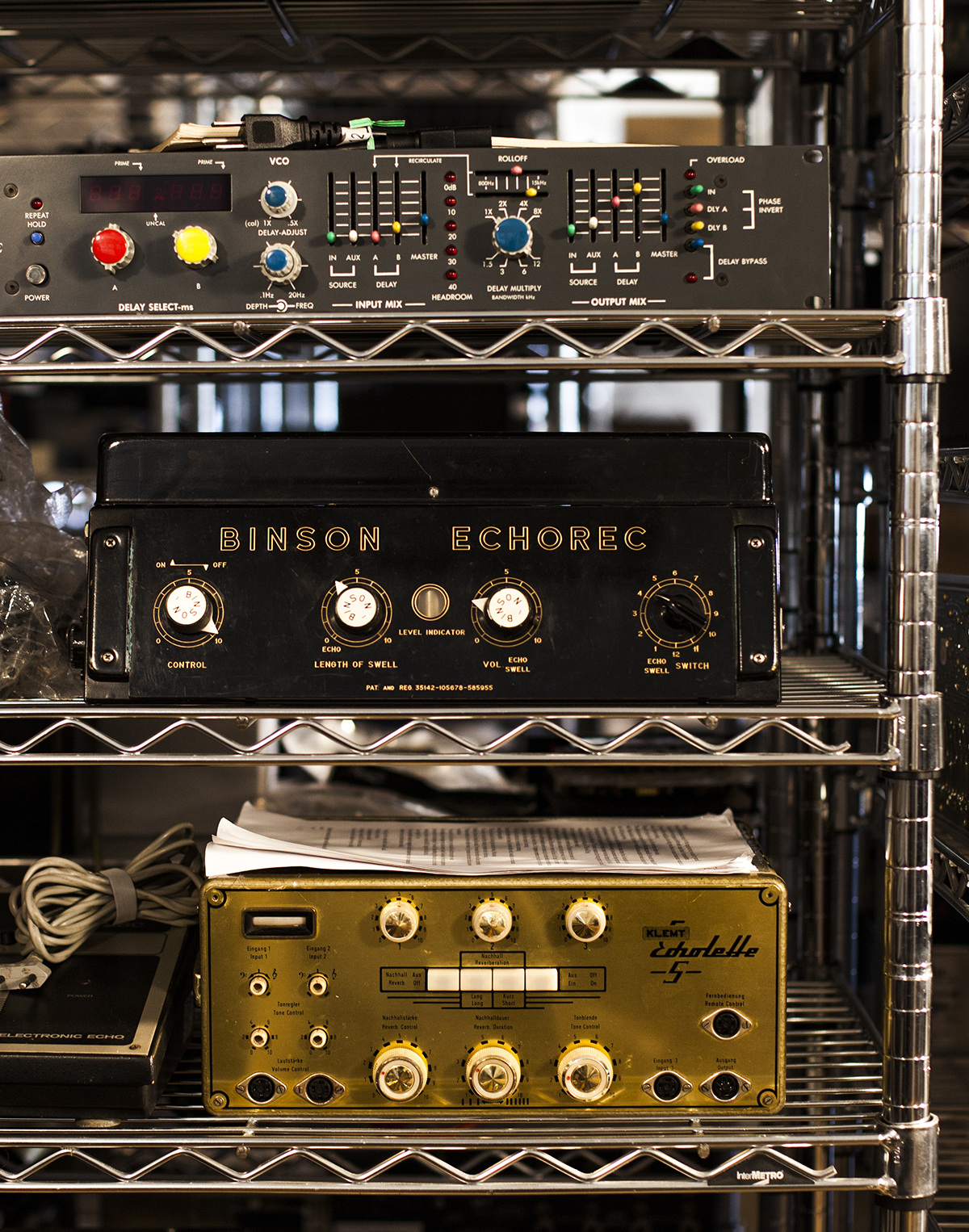
Welcome to our Gear Closet. Here’s a peak at some great classic gear from our ever growing stack of cool toys that is slowly taking over our office. Feel free to send us your comments, gear stories, corrections (Please send corrections), and suggestions for other cool gear for us to feature. If you have something really cool, let us know.
Roland SVC-350

Vocoder

Its way more than just a robot voice effect, and it’s popping up more and more. The sound of the vocoder took a while to catch on but with acts like Daft Punk, Imogen Heap, and classics like Kraftwerk, and Midnight Star, the vocoder is a genre hopping, here to stay sound. This month we look at one of the classics that helped put it there. This two space vocoder from Roland’s “BlackFace” line is one sweet box. Classic “non-virtual” vocoding for any kind of sound. It’s got a mic in and synth input right on the front, as well as a special guitar input with boost and harmonics, making it one of the most flexible, yet easy to use true analog vocoders out there. Launched in 1979 and in production at least till Ô84, this was sort of the “poor man’s” answer to the stunning Roland vocoder flagship, the VP-330. No, I won’t say it’s better or worse than a VP-330, but I will say that it’s differences made it stand on it’s own. As a rack it was obviously more portable. cheaper, and you could pick whatever you wanted as a carrier and modulator. That tweaked guitar input was also unique, and having access to the 11 bands for “Voice Character” control really helped to hone in on a great sound regardless of input.

More…

Altec 1567A

Analog Tube Mixer

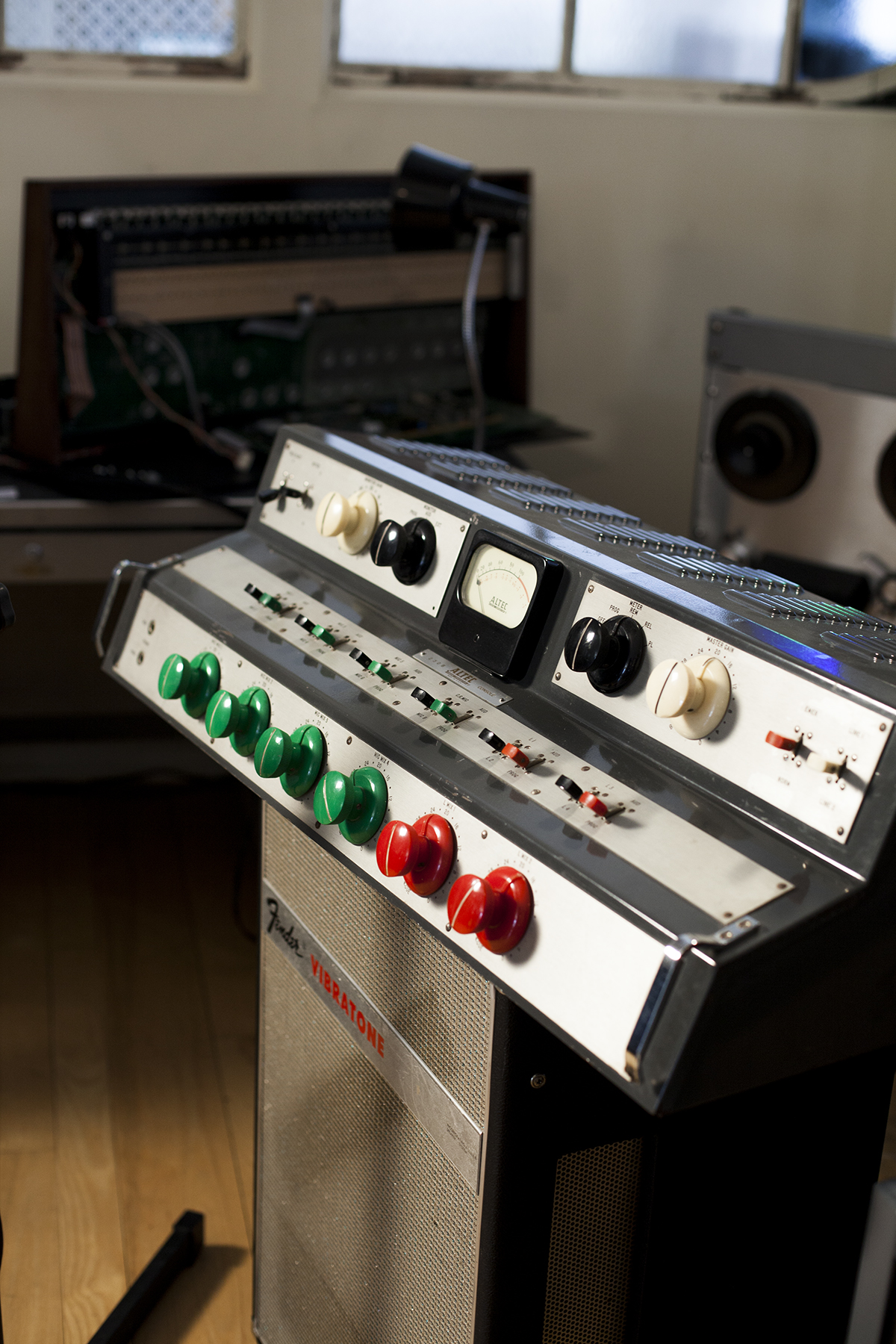
This is a sleeper classic in the world of tube mic preamps. It’s really a 5 channel tube mixer with a summed mono out, but using a single channel as a mic pre, gives you a killer analog front end for tracking. Becasue it’s actually a mixer it also features a bass/treble controls, and a master volume. These controls give you great tone control and the ability to drive it hard for some killer tubey distortion. Most folks seem to prefer it on bass and drums (kick in particular), but it’s just a great sound for practically anything if you need some edge and grunge. Oh yeah! It also can have a transformer on the channel so you get both the tube and transformer sound. Many people are mod’ing them to have direct outs of each channel, which gives you 5 cool tube pre’s, but you lose the tone control and master volume. Not a big deal if all you want is multiple tube pres, but the tone and the master really take this unit to a different level. But don’t take our word for it, here’s some feedback from the field.

Renowned producer/mixer/engineers Matt Wallace and Devin Powers share their insight with us on the Altec 1567A and how they rely on it.

Matt Wallace – (Faith No More, Maroon 5, Train) “Basically I feel that it is an essential piece of equipment for a professional studio, semi-pro studio, project studio, bedroom studio, etc because it provides what digital processing cannot… ‘vibe’ or ‘coloration’ or ‘energy’. One of the least expensive ways to make one’s digital studio sound a whole lot better is to buy an Altec and use it whenever needed.
I have used the Altec to record vocals, acoustic guitars, drums (yep), etc and find it absolutely beautiful. The fact that there are four tube mic pre amps, each with it’s own volume control, a master volume (in the event that someone would like to drive the sound a bit), and simple high and low eq, all add up to a pretty spiffy package.
I used to have two of them, one modified to take higher signal levels such as larger guitar amps/cabinets and drums, and while it certainly worked, I preferred the sound of the stock Altec and have learned when and how to use it in regards to high spl instruments.
Basically, it is an essential piece of gear. While the Ampex MX-10 is pretty wonderful if one wants to do some stereo, tube, recording, the Altec has more personality and more versatility.”

Devin Powers – (The Vents, Themes for Blind Date, Surreal Life, Classmates) “There are several ways to use the tone and Attitude of The ALTEC 1567a tube mixer. I will list my three faves.
First: Get three really good mics or even some standard 57s. Mic up your drum kit. One mic on the Kick, one on the snare, and one two feet or so above the whole kit. Using three inputs on the altec, blend them to taste and send it out the Mono output to your deck or protools rig.
You will be amazed how big and focused the drums will sound. It is breath-taking when you get the blend right. Very “Beatles/ Beachboys” dry delicious tones. Second: Patch the unit into your patch bay, send your drums and bass to it, return the Atlec and blend to taste. The eq on this mixer really has vibe. It will make the kick and the bass guitar really fat. They say it is a rather cheap eq, but it does not sound like it. Also try blending in other things (vocals, guitar). It really adds some magic to a sterile sound or a flat performance.
Third: Plug in your best tube mic and try tracking some vocals or acoustic guitar. This preamp EQ combo is robust and gritty. Adding some nice limiting at the end, of course, brings out all the harmonics the Altec delivers. You will notice that it sounds fat and perhaps not as clean as you might be used to, but the mix… wow!!! Altec 1576a tube mixer along with counterparts Ampex, and Magnecorder, they are gems waiting to be found and abused.
Fact: Most of the Motown records were recorded using Altec and Ampex mixers. They would blend all the instruments and send to the old 4 and 8 tracks tape machines of the day. When you use an Altec 1567A for the first time, you will hear the tones that we grew up with.
I love old gear, Tubes will never be replaced!!!!!! Love them while you can. A little dirt feels nice in your mix”

Roland SBF-325

Stereo Flanger

roland_sbf325

So we all know flanging is cool. What? You didn’t know flanging was cool. Well it is if you’ve got a good flanger (or a talented finger and a couple of nice tape decks). This flange in a box is one of the best in the business. It’s a two space rack unit from the “black face” line of great studio effects Roland released in the late 70’s and through the 80’s (Dimension D, anyone???). The SBF-325, in particular, was produced between 1979 and 1986 (where were you?). Why is it so cool? Well, for one, its a true stereo flanger, which was totally unique in it’s day. With all the effects that have been released and advances in technology, this piece is still one of those must have boxes for any studio that thinks of itself as “analog” savvy.

The SBF-325 has that super deep metallic sweep like Prince’s amazing “When Doves Cry” drum flange (Hey! Prince, did you use this box for that track?). It has 5 modes appropriately named “Flanger I”, “Flanger II”, “Flanger III”, and the not so obvious, “Off” mode. As well as the useful but not flangy, “Chorus” mode. It has cool front and back panel inputs for both channels, it has phase invert for both channels (to get some nice swirly action going) and a CV in to control the frequency externally. I couldn’t get the CV to work, but I think the CV out on my old SH-101 is not working right. This external control is another of those unique and creative features that make this box rock.

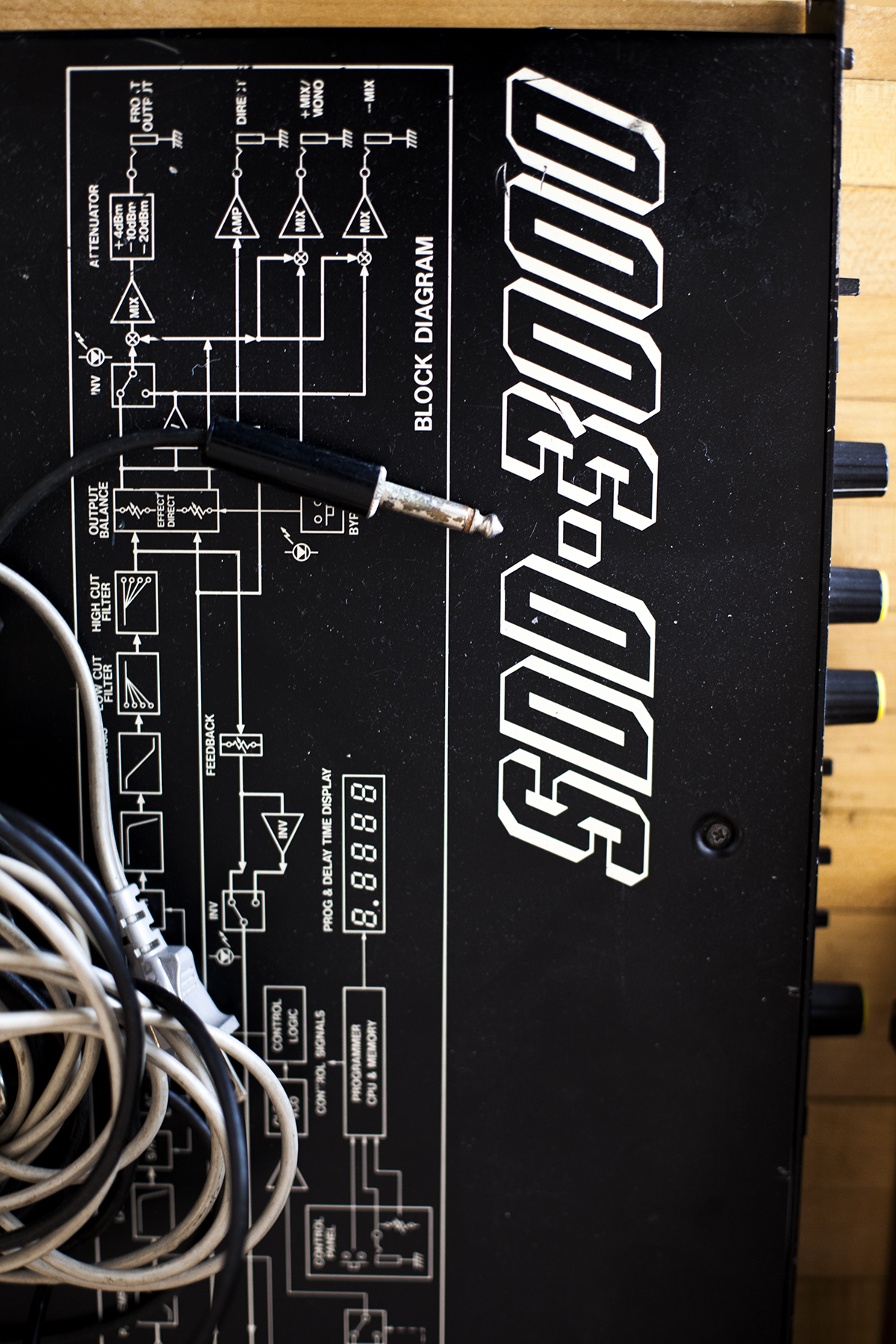
Flanger I is summed mono and sounds great. Flanger II is the stereo flange and sounds better, and Flanger III is a cross-feed flanger that sounds even better. It also has a cool block diagram of the circuit signal path on the top, well at least on ours. It seems not all of them have it. Maybe we got the coolest one of all.

Used by: KraftWerk (Sheesh. That’s enough for this techhead to buy one) Hans Zimmer Peter Banks of After the Fire (Remember their cover of Der Kommissar?) Richard Barbieri of Japan – One of the most creative synth/effects artist of all time. Every major studio out there. Really! Search SBF-325 and see all the names that pop up. Prince? (Surely he did. He’s the effects master)

Check out the sound files from our unit on various inputs.

Plus, there’s a killer full blown review over at Mode Zero

Eventide H3000

Multi-effects Unit

h3000The H3000 is a legend in the history of effects and the history of SoundToys. It’s in every major studio around the world, and is one of the all time most successful and highly used multi-effects units ever produced. Heard on thousands of songs from 1988 to this day, the H3000 is respected by many top engineers as the holy grail of effects.

So why do we care so much about this box? The H3000 was a labor of love for SoundToys effects gurus Bob Belcher and Ken Bogdanowicz (also our trusty leader) when they were working at Eventide, and just starting out in the audio biz. They designed and built this thing (most of it, at least). Bob designed the circuits, wrote most of the code and pulled all-nighters laying out circuit boards. Ken was the effects algorithm designer and preset guru, and created Eventide’s first intelligent pitch shifter. Our good friend Dave Derr (Distressor designer and owner of Empirical labs) designed the analog and converter sections. Our other good friend, Gil Griffith (owner of Wave Distribution) got the H3000 into the hands of many thousands of top artists, engineers and recording studios.
The Machine

Put simply, the H3000 is a multi-effects monster. This is one of the reasons this piece is so loved. It does so much. From deep fat chorus, to rich verbs, to multiple pitch-shifting types (including the sought after MicroPitchShift), to outrageous swirling twisting soundscapes. Funny thing is, most studios would get one and leave it set to one preset. Often times, if they had two presets they liked, they’d get another one and leave it set there.

The H3000 went through a long line of versions and upgrades. The original H3000 had 11 effects algorithms and 100 presets focused on the Eventide staples of pitch shifting, doubling, chorus and delays and some basic reverb. That was followed by the H3000S (the “Steve Vai” model which added 48 presets designed by Steve), the H3000B (Broadcast version, which added TimeSqueeze, Patch Factory, a function generator for modulation, and sound effects designed for radio production – got a lot of love from shock-jock Howard Stern!), H3000SE (added Vocoder, Band Delays, Instant Phaser, String Modeler and new Dense Reverb and MultiShift pitch shift algorithms). After that, they added a sampling option board (HS322 and HS395) designed for “flying in” tracks recorded on analog tape.

After that, while Ken and Bob were starting to design the DSP4000 (the next generation Harmonizer), Ken started started a side business call Crescent Engineering, whose first product was a “plug-in” for the H3000 called Mod Factory which he advertised in the back pages of Mix Magazine. Mod Factory was an amazing modular effects system capable of creating some stunning dynamic effects. Crescent Engineering grew into what is now SoundToys. Eventide eventually licensed Mod Factory from Ken to create yet another H3000 spin-off, the H3500 and H3500B which included Mod Factory and the sampling option. The final two spin-offs were the H3000 D/SX and H3000 D/SE which added new collections of effects patches from top artists and producers.

All the various versions were built on the same hardware, with different EPROMs containing different code to add new features. Older models could be easily updated to the D/SE by adding in the latest EPROM chips. Any rumors of sound quality differences between newer and older versions is most likely imaginary.

It was/is a truly powerful box. It wasn’t cheap, and wasn’t exactly simple, which kind of kept it in the upper echelon of audio professionals and rich guitar players (back when huge guitar effects racks were cool). The H3000 D/SE was regarded as the first true all in one multi-fx processor. Apart from the standard verbs, chorus and delays, and apart from the Eventide staple of great pitch-shifting and trademarked harmony generation, it had some stuff you might not expect in an effects box. 3D speaker- based spatial imaging, filters, vocoder, a 6 voice polyphonic synth, LFO with 19 waveforms, amazing modulation routing, and full MIDI control. Plus you could even add sampling to it. Sheeesh!

Beyond being THE studio standard effects unit, the H3000 also became the ultimate live guitar fx box. All the big names in guitar from that time period (And beyond) had one in their studio and in their road rack. It was a vital part of the signature sound of some of the greats like Steve Vai, Van Halen, The Edge and Richie Sambora.

Just to “plug” ourselves a little, SoundToys was created so we could take our ideas further. Our SoundBlender plug-in was the first pro multi-effects plug-in available for Pro Tools, and the closest you could get to the kind of creative effects found in the H3000. Amazingly, SoundBlender still holds as the most acclaimed multi-effects plug-in for TDM rigs, even after eight years. It makes us feel good to be creating products with this kind of longevity, and we thank all the users out there who keep us going.

Used by: (A teeny tiny sampling only)

  • James Iha/Smashing Pumpkins
  • NBC
  • The Edge/U2
  • Front Line Assembly
  • Ashley Simpson (Weird huh? She uses 2 in her live shows. Thanks Ashley)
  • Dave Matthews
  • Bob Clearmountain
  • Steve Via
  • Stanley Clarke
  • The Crystal Method
  • Stevie Wonder
  • Brian Eno
  • Richie Sambora
  • Prince
  • Eddie Van Halen
  • Armando Avila
  • Dave Pensado
  • A list of studios so long it would take all of next years newsletters to list them.

Boss DM-2 Delay

Delay Pedal

dm2Boss/Roland are a huge musical empire, cranking out tons of amazing products over the years and creating a list of classics beyond compare. It’s quite a feat. Making products musicians drool over for so many different areas without losing focus. One area in particular that has a very long list is guitar pedals. Boss, as a division of Roland, had serious focus on the guitarist. Taking the original already hit ideas of echo and chorus and sprinting into a line of genre defining pedals that’s still going strong today. OK, so I like these guys, we get it. What about the pedal??

Right! The DM-2 Delay was released in June of 1981 and produced till Feb of 1984 (Remember your hairdoo then?). A true analog bucket brigade style delay with simple easy to use controls. The delay times range roughly from 20 to 330 msec (According to some sites). Three knobs (Hey it’s a pedal, not much more room): Repeat rate (Delay time), Echo (Mix), and Intensity (Feedback). Standard 1/4 input and output and an AC adapter input. Toss in Boss’s cool battery access system and a rose colored coat of paint (Back in the eighties you could have long hair and a pink stompbox) and you’d have a DM-2. The sound is warm, resonant, punchy, clean, spacey and very analog and apparently universally loved. The reviews on this thing put it at the top of everyone’s delay list, and thus the fairly solid re-sell prices in the used market. Going for around $200 to $300 even beat up. If you play surf guitar or spy guitar (and we know you all want to) then this is your delay. Once you hear it you’ll be unable to resist, and you’ll be ripping those Dick Dale and Duane Eddie riffs right and left. Though just about every style seems to love this pedal from rock to dub to goth to dance.

The original (And possibly best) DM-2 is a notorious battery vampire. Boss updated the circuit sometime after it’s introduction with a slightly less power hungry circuit. Also made it bit more noisy, but that’s the trade off. Still a very clean delay from the analog world. The one we have has the updated circuit and is from around March 1982. Ours also has someone’s idea of the perfect setting scratched into the paint. Actually, it’s not a bad setting so we forgive them. Wired with a variable voltage AC adapter you can simulate the dying battery and get some very cool sounds. We didn’t try it, but we’re on the way to Radio Shack now for some old school gear hacking.

Used by:

  • Dave Grohl – Foo Fighters
  • Mike McCready – Pearl Jam
  • Mark Knopfler – Dire Straits
  • David Pierce – Flying Saucer Attack
  • Pete Anderson – Dwight Yoakam
  • Peter Holmstrom – Dandy Warhols
  • Sean Eden – Luna

Audio Examples

A bit of Spy guitar (Forgive my horrible playing.) Listen here…

Great info source for Boss pedals. http://www.bossarea.com/

Presets

Don’t delay, check out these DM-2 presets:

Mac OS X Windows

Maestro Model PS-1A

Phase Shifter

MaestroMade in 1972 and created by the legendary Tom Oberheim in a cool little company called Maestro. Maestro made lots of great, and often, off the wall effects, and went through several variations of owners during their run. At the time of this beauty Gibson owned them.

Enough history, how’s it sound? Well it doesn’t get much more straight forward than the Maestro Phase Shifter. Great sound, simple control. Mono in, mono out, power switch, and three brightly colored switches for slow (Green or is it Blue?), medium(White) and fast(Red). Though it seems Maestro swapped the colors quite often. Use what you got, right?. So the only real choices are how fast does it go, and is it on. (Yeah, it has a connector on the back for a footswitch control, but that’s to keep you from stepping on the big but fragile rocker switches). Of course, simple doesn’t mean bad. The sound on this piece is sweet and the speeds are set to be very musical. Not too slow or fast and because the effect is so smooth it doesn’t over power your performance. Could just be my ears but it sounds like there are more changes built into the three switches. Deeper phase on the slow, maybe a frequency change. Though it could be it’s old, like my ears.

Was it really that great? Even the guys who designed the industry standard Mu-Tron Bi-Phase admit it was this phase shifter that they were going after when they began. They went way past that with the awesome Bi-Phase, but the fact that this was the inspiration is cool.

The PS-1B was the next model and added a variable speed pot and changed up the color-coding on the switches (Again).

It appears they may be coming back through a company called MusicYo partnered with Gibson. The webpage lists the return of EchoPlex, RingMod and this great Phase Shifter, but so far it seems the re-issued FuzzTone is all that’s there.

Used by:

  • Billy Corgan of the Smashing Pumpkins
  • Larry LaLonde of Primus
  • Q-Burns Abstract Message
  • Tomita
  • John Paul Jones of Led Zepplin

Presets

Get a taste of the Maestro with these PhaseMistress patches:

Mac OS X Windows

Yamaha E1010

Analog Delay

E1010_500px

Released in 1978 (Though our owners manual says March 1979.), this is the big brother to the E1005. With a max delay of 300ms (You can mod it for longer times, though you degrade the quality as well. Ours is pure), some easy switch buttons for general delay times (10ms, 75ms, 150ms, 225ms, 300ms), bass and treble tone control, and mod speed and depth, this is a rich warm delay and versatile chorus delay. Plus some killer flanging with those tight delays. Feedback will go into sonic destruction mode, so dub and loop artists have snagged this one in a big way. Inputs on the front and back and a separate direct out make this a solid piece for stage or studio. It’s been described as one of the cleanest analog delays and also one of the worst sounding. Ours is somewhere near the clean end. There’s noise for sure, but when you get the gains and input/output just right, it’s fairly quiet. Noise or not, the sound is sweet. Warm and flexible. The “Analog Delay” style on EchoBoy is closest, but requires some tweaking for the different flavors the E1010 can produce. It gets a dark brooding delay, with the odd mid range resonant honk of the old Oil can delays (though not the same sound). Take a listen to the audio example and grab the EchoBoy presets to get you the E1010 sound for your rig.

Used by:

  • Randy Rhoads with Ozzy Osbourne
  • Mark King of Level 42 on Bass.
  • Rush’s Geddy Lee used one on his Mini Moog, and Alex Lifeson on his guitar rig, too
  • Flaming Lips producer Dave Fridmann has one in his giant rack-o-gear.
  • John Mcgeoch: Guitarist for Magazine, Generation X, Visage, Siouxsie & the Banshees, Peter Murphy, Armoury Show, PIL
  • James Burton: Rockabilly legend.
  • Steve Byrd: Guitarist for Kim Wilde. Michael Jackson, Pet Shop Boys,

Audio Examples

Here are a few sound examples of the E1010 and some E1010 EchoBoy patches. Listen…

Presets

Add some E1010 flavor to your EchoBoy with these patches:

Mac OS X Windows

Register

Register your product to qualify for free technical support.

Feedback

Help us make SoundToys even better. Please give us your feedback.

Downloads

Expand your SoundToys plug-ins with new preset collections.
Download fully functional 15-day demos of SoundToys plug-ins.

Contact

SoundToys, Inc.
225 Church Street
Burlington, VT 05401
USA

Contact Us

phone: 802-951-9700
fax: 802-951-9799

  • Copyright ©2005-2011
  • SoundToys, Inc.
  • Support Form
  • Contact Us
  • Newsletter Sign Up